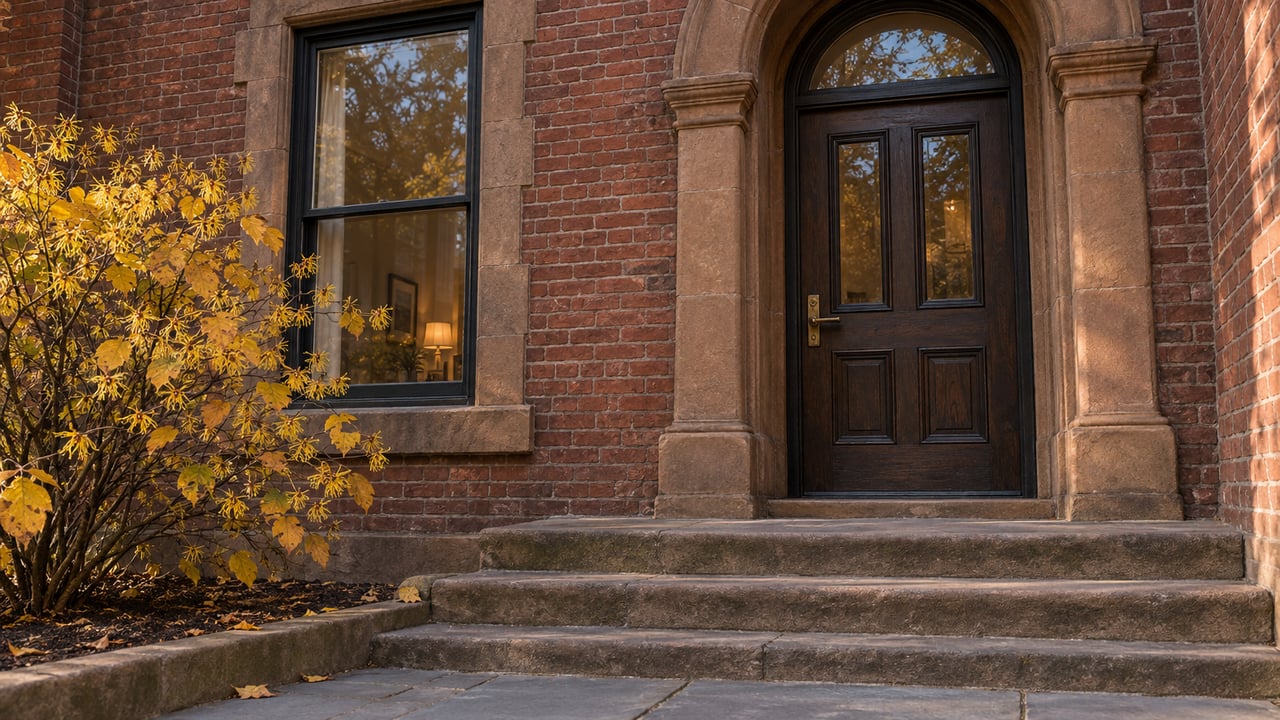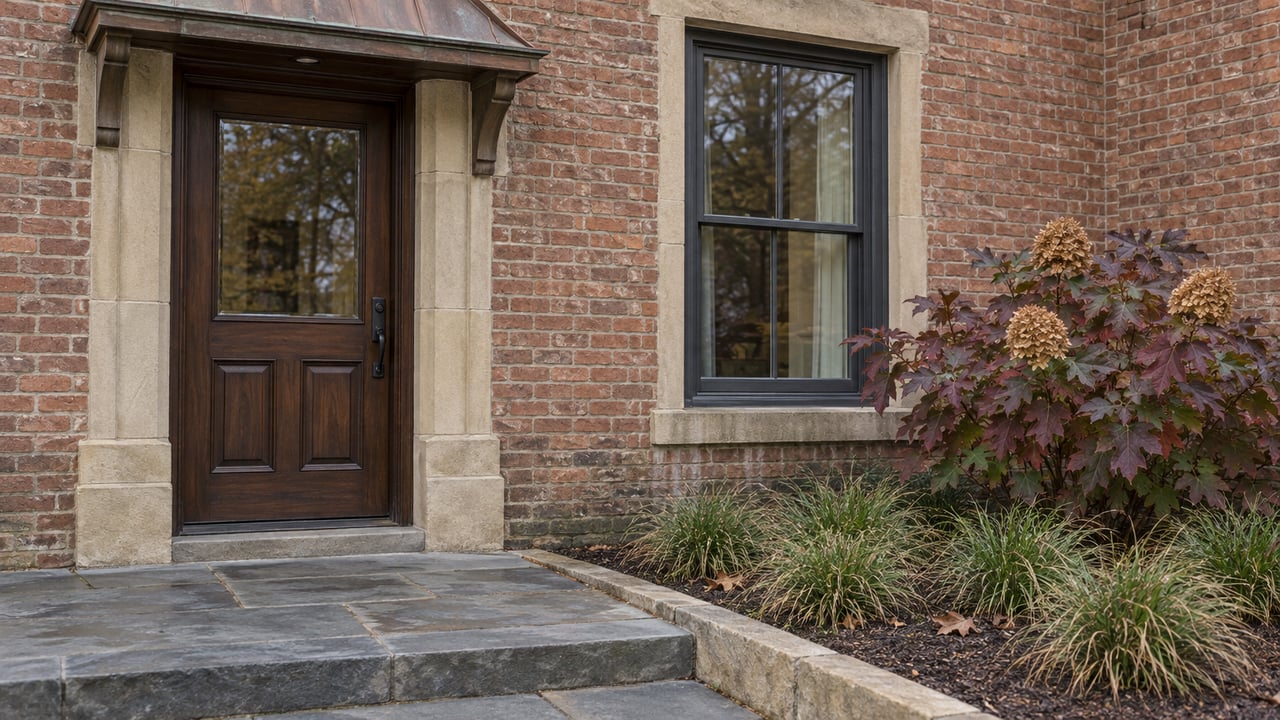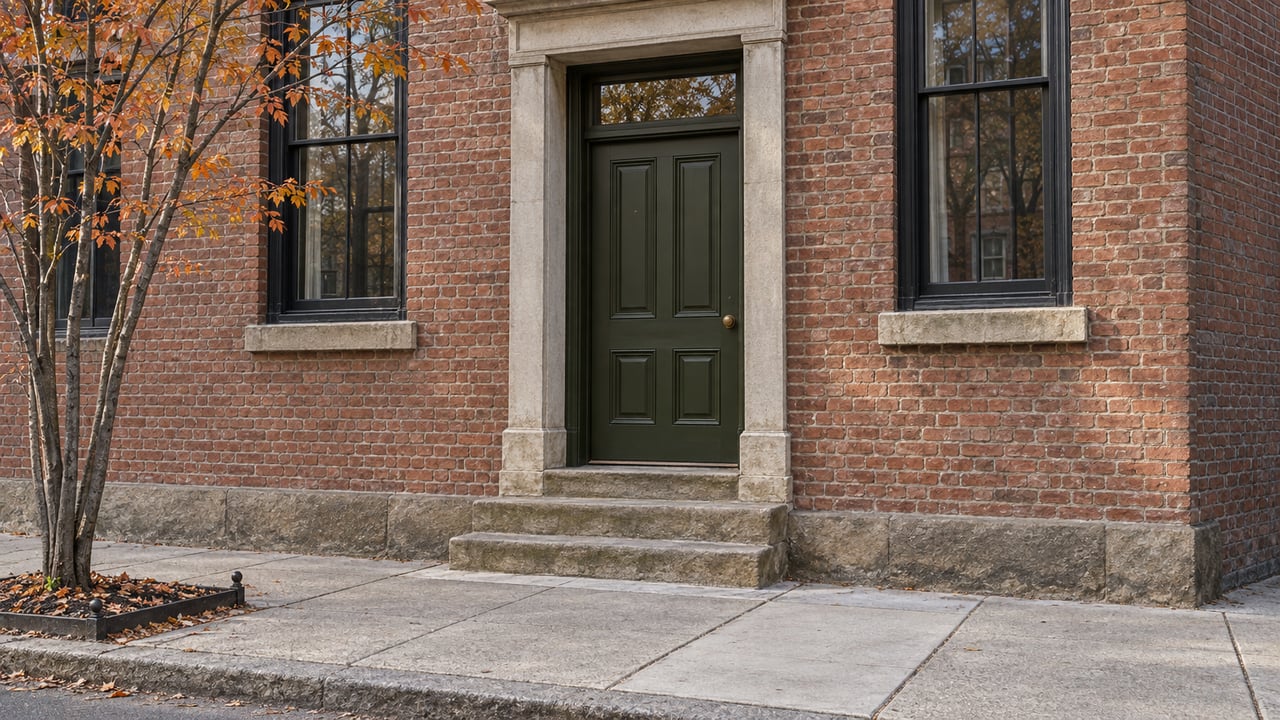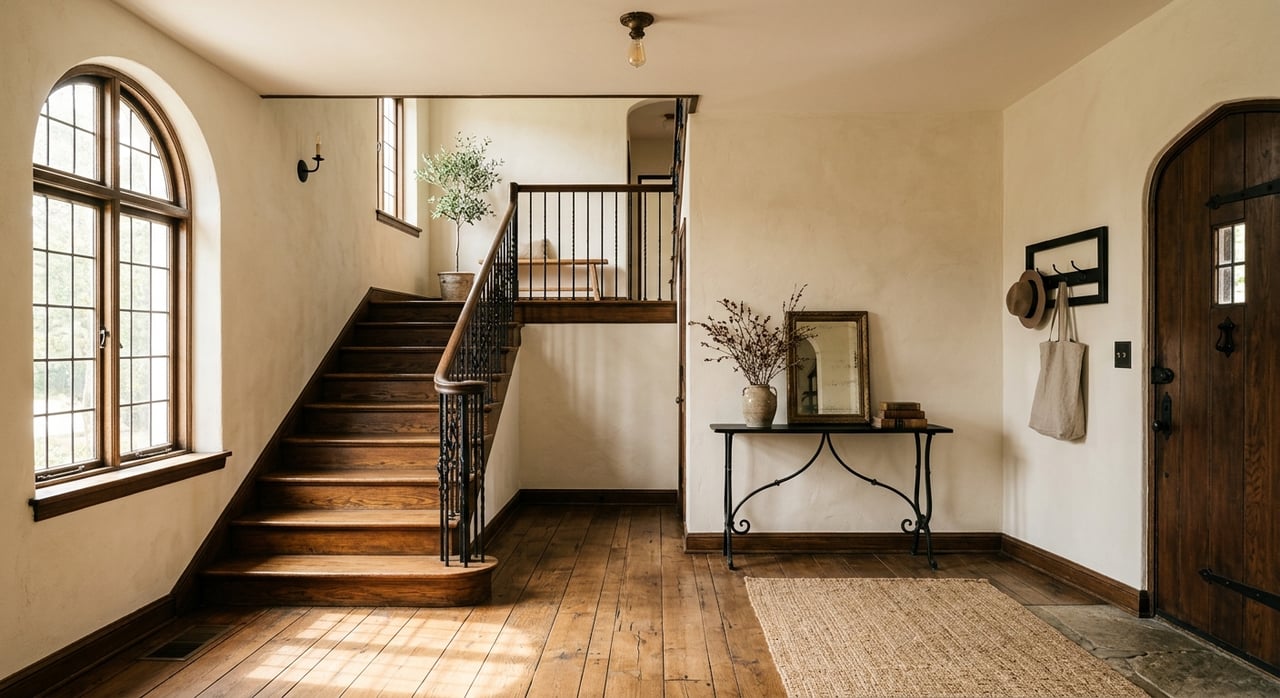
Thinking about selling a historic home in Athens can feel like a balancing act. You want to make your house appealing to today’s buyers without losing the character that made you fall in love with it in the first place. The good news is that in Athens, smart preparation is usually less about stripping away history and more about showing buyers a well-cared-for home with a clear story. Let’s dive in.
Start With Condition, Not Cosmetics
Before you paint a wall or swap a light fixture, take a step back and look at the home as a whole. In an older property, the biggest buyer concerns are often not style-related. They are usually about systems, structure, moisture, and safety.
A pre-listing home inspection can be a useful first move. In New York, a home inspector provides a written report on systems and components such as heating, cooling, plumbing, electrical, and structural elements. That kind of overview can help you decide which issues are worth fixing now and which ones can be disclosed and priced accordingly.
This approach can save you time, money, and stress. Instead of spending on cosmetic updates first, you can focus on the items most likely to affect buyer confidence.
Historic Status Does Not Mean You Cannot Update
One of the biggest myths about older homes is that historic status automatically blocks change. In reality, New York State distinguishes National Register listing from local landmark and historic district regulation.
If your home is listed on the National Register or sits within a registered historic area, that does not automatically mean you cannot remodel, paint, alter, sell, or even demolish the property when private funds are used. Local zoning rules still matter, and state review typically becomes more relevant when state or federal funds or permits are involved.
In Athens, local rules are especially important. The Village of Athens requires permits for all new construction and most work on existing buildings, and exterior improvements or modifications within the Historic District need Planning Board approval. If your home is in the village, it is wise to contact code enforcement before starting work.
Focus on Repairs Buyers Notice Most
Today’s buyers often appreciate historic charm, but they also want reassurance that a home has been responsibly maintained. That means the most valuable pre-listing work is usually practical, not dramatic.
Focus first on issues that could raise red flags during a buyer inspection or affect your disclosure. In many older homes, that includes water intrusion, visible deterioration, electrical concerns, aging mechanical systems, or damaged exterior elements.
Here are some updates that often make sense before listing:
- Repair active leaks or signs of water damage
- Address obvious safety concerns
- Fix damaged trim, railings, steps, or loose exterior materials
- Replace burned-out bulbs and improve lighting where needed
- Refresh paint where wear is visible
- Declutter rooms so original details are easier to see
- Clean windows, floors, and high-touch surfaces thoroughly
The goal is not to make a historic Athens home feel brand new. The goal is to make it feel cared for, functional, and easy for buyers to understand.
Keep Character Front and Center
Athens is known for its historic village setting and architectural character, especially in the Lower Village Historic District, where Federal, Greek Revival, and Late Victorian styles shape the streetscape. That local identity is part of the appeal.
Because of that, pre-sale updates should feel restrained and respectful. Clean paint, repaired woodwork, working hardware, tidy landscaping, and better lighting can go a long way without erasing the age and personality of the house.
Try to avoid changes that compete with the home’s original features. If the house has older moldings, wood floors, stair details, or period windows, buyers will often respond better to a home that embraces those elements rather than covers them up.
Know When to Call a Specialist
Older homes often need the right expert for the right issue. A general home inspector is a strong starting point for a whole-house overview, but some situations call for more specific help.
If electrical work is needed in the Village of Athens, the village requires that all electrical work be done by a licensed electrician. If your home was built before 1978 and you plan paid renovation work that will disturb painted surfaces, federal lead-safe rules apply, and that work must be done by certified lead-safe renovators.
If you are considering exterior changes in the Village Historic District, contact code enforcement before work begins. For homes outside the village, any demolition plans should be checked against Town of Athens permit requirements first.
Plan for Lead if the Home Is Pre-1978
For many historic homes, lead-based paint is a real planning item, not just a technical detail. If your house was built before 1978, buyers of most homes have the right to know about any known lead-based paint hazards before signing.
That makes documentation and careful planning important. If you have records related to lead testing, remediation, or renovation work, gather them early so you are prepared when it is time to list.
If you decide to do repair work before selling, be thoughtful about who you hire. Paid work that disturbs painted surfaces in pre-1978 housing must follow lead-safe requirements.
Build a Strong Seller Packet
One of the best ways to prepare a historic home for market is to organize its paper trail. Buyers are often more comfortable with older homes when they can see clear evidence of maintenance, repairs, and permitted improvements.
In New York, the property condition disclosure statement is based on your actual knowledge and is not a substitute for inspections or public-record review. Most sellers of residential real property in New York must complete and deliver that disclosure before a binding contract.
A simple seller packet can help you stay organized and answer questions faster. Consider gathering:
- Building permits
- Planning Board approvals, if applicable
- Contractor invoices and receipts
- Warranty paperwork
- Maintenance records
- Before-and-after photos of completed work
- Survey or site plan documents
- Lead-related records for pre-1978 homes
- Historic district or SHPO correspondence, if any
If your home has had major changes over time, documents showing when the work was done and whether it was permitted can be especially important in Athens.
Be Careful With Exterior Projects
Exterior improvements often have the biggest impact on curb appeal, but in Athens they also deserve the most planning. If your property is in the Village Historic District, exterior modifications require Planning Board approval.
That does not mean you should avoid improvement altogether. It simply means that timing and process matter. Even modest updates like exterior repairs, trim work, or other visible changes should be reviewed through the right local channels before work starts.
This is especially important if your home is in a low-lying or waterfront area. The village code includes flood damage prevention rules and references waterfront consistency review, so owners of those properties should confirm local requirements before making certain changes.
Consider Larger Rehab Carefully
Some sellers wonder whether they should take on a major rehabilitation before listing. In most cases, the answer depends on the scope of work, the home’s condition, your timeline, and whether the improvements will truly help marketability.
If the property is owner-occupied and historic, New York SHPO administers a 20% historic homeownership rehabilitation tax credit for qualifying projects. That may be worth exploring if you are thinking about substantial work and plan to remain in the home long enough to complete it thoughtfully.
Still, many sellers do better with a lighter touch. A clean, documented, well-maintained historic home often attracts more trust than a rushed renovation with missing paperwork or questionable finishes.
What Today’s Buyers Want From a Historic Home
Many buyers in Athens are drawn to homes with a sense of place. They want charm, yes, but they also want clarity. They want to understand what has been updated, what has been preserved, and what they may need to plan for after closing.
That is why your preparation should aim for confidence, not perfection. When your home shows well, functions well, and comes with organized documentation, buyers can appreciate its character without feeling like they are stepping into the unknown.
If you are getting ready to sell a historic home in Athens, a calm, informed plan can make the process feel much more manageable. When you need local guidance on positioning your property for today’s buyers, Melissa Dubin offers thoughtful, grounded support every step of the way.
FAQs
Do historic homes in Athens need every original feature restored before listing?
- No. In most cases, the better approach is to repair key issues, refresh what looks worn, and preserve the home’s character rather than fully restore every detail.
Do Village of Athens historic district homes need approval for exterior changes?
- Yes. The Village of Athens says exterior improvements or modifications within the Historic District require Planning Board approval, and owners should contact code enforcement before starting work.
Should Athens sellers get a home inspection before listing an older home?
- A pre-listing inspection can be helpful because it gives you a written overview of major systems and structure, which can help you prioritize repairs before the home goes on the market.
What documents should sellers gather for a historic Athens home sale?
- Helpful records include permits, approval letters, invoices, maintenance records, warranties, surveys, before-and-after photos, and any lead-related or historic district paperwork.
Do pre-1978 Athens homes require lead-related disclosure?
- Yes. For most pre-1978 homes, buyers have the right to know about known lead-based paint hazards before signing.
Does National Register status prevent updates to an Athens home?
- No. National Register listing is not the same as local landmark regulation, and private owners using private funds may generally alter or paint a property within local zoning rules.