Wondering how to choose the right Capital District neighborhood when every area seems to offer something different? That question is especially common around Albany, where your decision often shapes not just your commute and home style, but also your day-to-day rhythm, parking reality, and even municipal services. If you are trying to sort through city neighborhoods, suburban options, and more rural-feeling pockets, this guide will help you create a practical shortlist with more confidence. Let’s dive in.
Start With Your Daily Life
In the Capital District, neighborhood choice is rarely just about curb appeal. It often means choosing among different municipalities, service boundaries, and tax structures across Albany, Rensselaer, Saratoga, and Schenectady counties.
That is why it helps to begin with how you actually want to live. Think about how often you want to drive, what kind of home upkeep feels comfortable, and whether you want to be near a downtown, in a close-in suburb, or on a larger lot with a quieter setting.
A simple way to narrow your search is to use a three-part lens: urban core, close-in suburb, and rural-feeling edge. This framework fits well with how local communities describe the housing and lifestyle options across the region.
Urban Core Options Near Albany
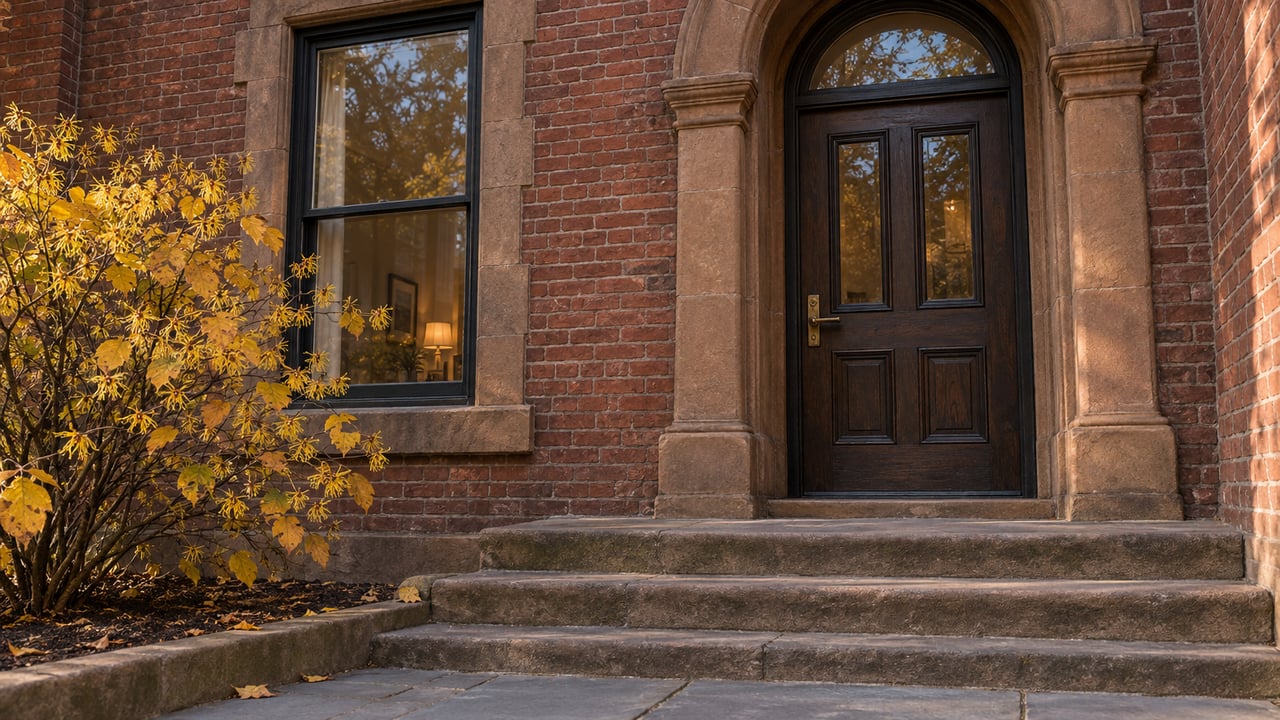
If you want walkability, historic character, and easy access to shops or dining, the urban core may feel like the best fit. These areas are often the most appealing for buyers who want a lively setting and the option to rely less on a car.
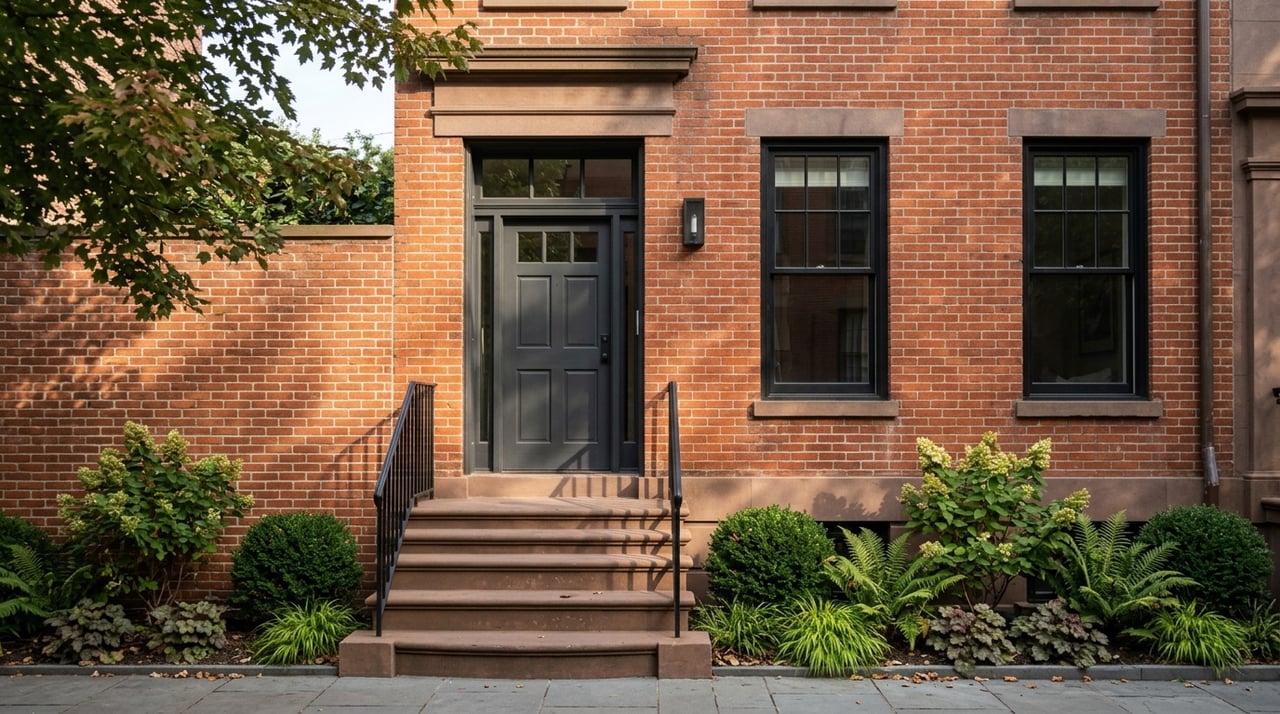
Within Albany, community materials highlight neighborhoods such as Center Square, Hudson/Park, Pine Hills, Mansion, South End, and Delaware Avenue. The city describes these areas as varied and historic, with housing that includes row houses, bungalows, and multi-family colonials.
Albany City Neighborhoods
Center Square sits right next to downtown and is known for Lark Street shops, galleries, and restored historic homes. If you love older architecture and a more active street life, this area may stand out quickly.
Hudson/Park is described by the city as convenient and culturally diverse. That can appeal to buyers who want a central location with a mix of housing and city access.
Pine Hills is characterized as large, historic, and vibrant, with a mix of homeowners, families, and college students. If you are open to a busier neighborhood with a broad range of housing situations, it can be worth a closer look.
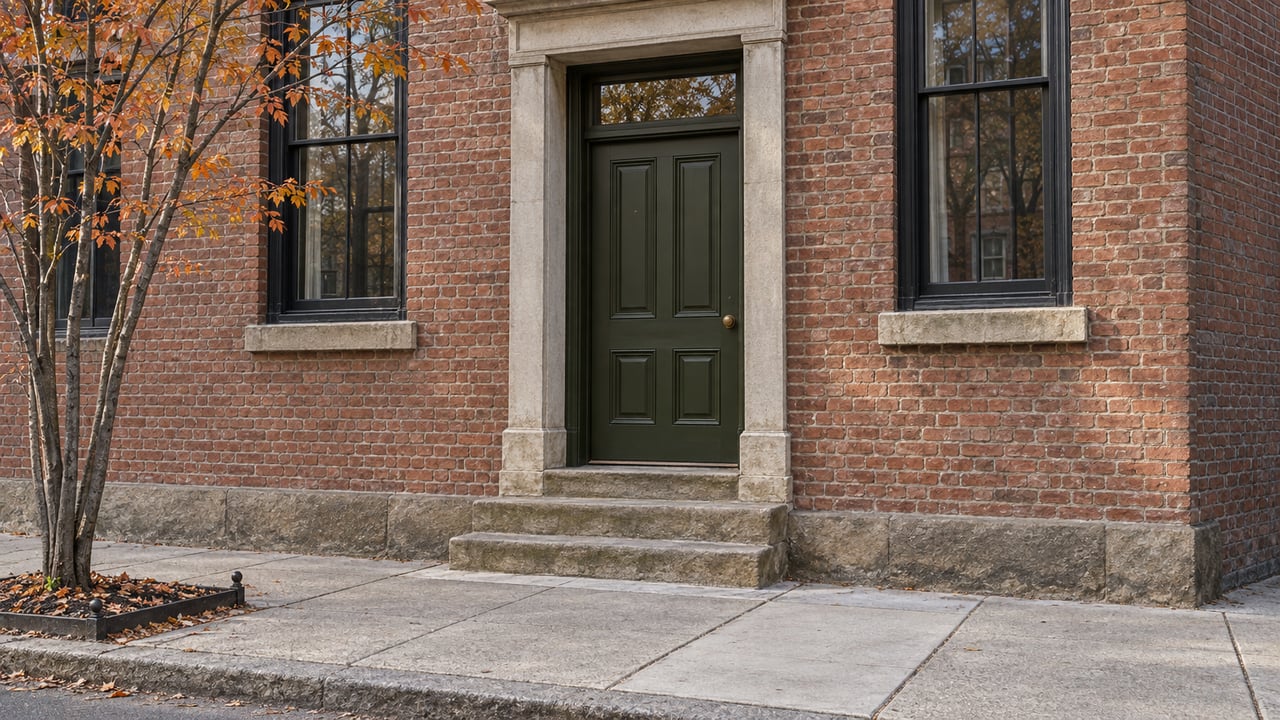
Mansion and South End are both described as historic neighborhoods with row-house streetscapes, arts, restaurants, and easy access to downtown. For buyers drawn to heritage housing and city proximity, these neighborhoods may offer strong lifestyle appeal.
Other Urban Cores in the Region
Albany is not the only urban-core choice in the Capital District. Troy, Schenectady, and Saratoga Springs each offer a different version of a walkable, compact setting.
Troy’s downtown is presented as highly walkable, with heritage buildings and a mix of retail and cultural offerings. The city also maintains public lots and garages in the historic downtown, which can matter if parking is high on your list.
In Schenectady, the Stockade is the first locally designated historic district in New York State, and the downtown plan places major civic and transportation destinations in the core. Saratoga Springs describes its downtown as the city’s main retail and service area and intends for it to remain compact and mixed use.
What To Expect in Urban Areas
Urban neighborhoods can offer real convenience, but they usually come with tradeoffs. Parking may be tighter, lot sizes may be smaller, and in some places there may be historic-district oversight for exterior changes.
For some buyers, those tradeoffs feel well worth it. If your ideal week includes walking to restaurants, spending time in a downtown setting, and living in a home with older architectural details, an urban core may be the right direction.
Close-In Suburbs for Balance
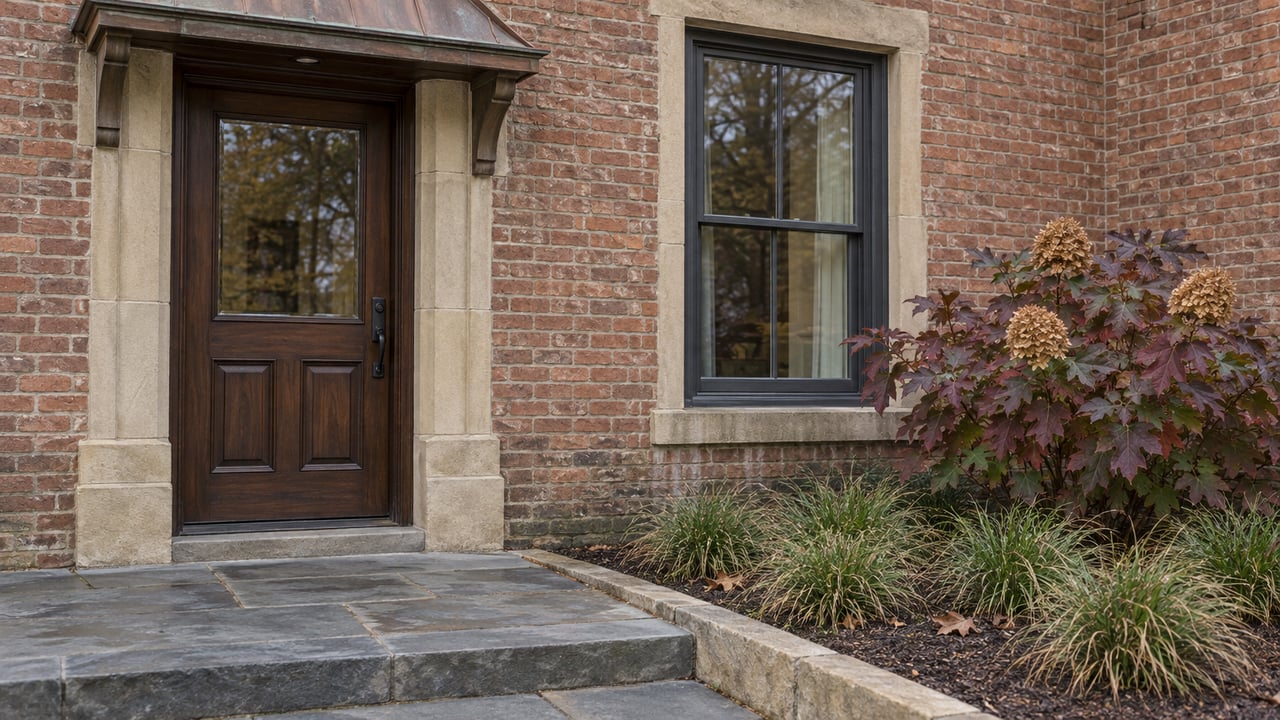
If you want space and convenience without moving too far from Albany, a close-in suburb may offer the best middle ground. These areas often appeal to buyers who want easier parking, more yard space, or a less dense feel while staying connected to work, shopping, and services.
Bethlehem
Bethlehem is a strong example of this category. The town describes itself as a blend of suburban neighborhoods, rural life, and commercial enterprises, with hamlets including Delmar, Elsmere, Glenmont, Slingerlands, Selkirk, and South Bethlehem.
Because it sits just south of Albany on the west bank of the Hudson River, Bethlehem often makes sense for buyers who want Albany-area access with a more residential feel. Its official profile also emphasizes friendly neighborhoods and rural beauty, which gives it a broad lifestyle appeal.
Colonie
Colonie is another important close-in option. The town calls itself the Crossroads of the Capital District and notes its location near the Mohawk and Hudson rivers, along with major infrastructure like Interstate 87, Interstate 787, and Albany International Airport.
With more than 1,000 town-owned streets and strong highway access, Colonie often reads as a convenience-first suburban base. If you value regional access, airport proximity, and practical day-to-day mobility, it may deserve a place on your shortlist.
Guilderland and New Scotland
Guilderland can work well for buyers who want a middle ground between suburban and rural. Planning materials describe the western portion of town as a mosaic of farmlands, woodlands, open space, hamlets, and larger lots, while noting that the eastern side is more developed.
New Scotland also functions as a transition zone between suburb and countryside, with significant acreage still in agriculture. If you want a little more breathing room without feeling fully removed from the Albany area, both towns may be worth exploring.
Rural-Feeling Areas for Space and Quiet
Some buyers know right away that they want land, open views, and a quieter pace. In the Albany-area shortlist, that usually points toward western Guilderland and the county’s agricultural-transition towns.
Rural Guilderland is described as including farmlands, woodlands, open space, rural residences, close-knit hamlets, and large lots. It is also important to know that much of this area lacks public sewer and water, which can affect both maintenance expectations and property screening.
Albany County’s most contiguous agricultural land is concentrated in Berne, Knox, Westerlo, and Rensselaerville, while New Scotland also retains notable acreage in agriculture. For buyers drawn to a more countryside feel, these areas can offer a very different lifestyle from city neighborhoods or close-in suburbs.
Use Commute Patterns as a Filter
In this region, commute convenience is shaped more by road and transit corridors than by neighborhood names alone. That is why two places that seem equally close on a map can feel very different in daily life.
Albany’s transit resources point to CDTA bus service, shuttles, paratransit, Park Albany parking, bike lanes, Amtrak, the airport, and Adirondack Trailways. CDTA also operates key routes such as BusPlus limited-stop service between downtown Albany and downtown Schenectady, Route 224 between downtown Albany and downtown Troy via I-90, and Park & Ride lots across the district.
If you want car-light living, the best odds are usually in denser city neighborhoods and along main transit corridors. If you are looking farther out in suburban or rural areas, it is wise to plan for more driving.
Check Municipal Boundaries Carefully
One of the easiest mistakes in this market is assuming a mailing address tells the whole story. In Albany County, cities, towns, and villages have separate tax and service structures, so parcel-level boundaries matter.
That means two homes that seem close together can fall under different local systems. Before you get too attached to a property, verify the exact municipality and how that location fits your budget and service expectations.
Historic District Rules Can Affect Your Plans
If you love older homes, this step matters. Some historic areas have review requirements for exterior changes, which may influence renovation plans, timelines, and design choices.
For example, Schenectady’s Historic Resource Commission and Troy’s historic-district system both require review for exterior changes in designated areas. If preserving architectural character is part of what draws you in, this may feel like a benefit. If you want more flexibility, it is something to discuss early.
A Simple Way To Shortlist Neighborhoods
If you are feeling overwhelmed, keep your first pass simple. Start by deciding which of these three broad categories fits your lifestyle best:
- Urban core for walkability, heritage housing, and downtown access
- Close-in suburb for a balance of convenience and space
- Rural-feeling edge for land, quiet, and a longer drive
From there, compare a few specific places instead of trying to study every neighborhood at once. That approach often makes the process feel more grounded and less exhausting.
The right neighborhood is not always the one that looks best on paper. It is the one that supports your routines, your priorities, and the way you want home to feel every day.
If you are ready to sort through Albany, Bethlehem, Colonie, Guilderland, or the broader Capital District with a calm, local perspective, Melissa Dubin can help you narrow your options and find a neighborhood that truly fits.
FAQs
What is the best type of Capital District neighborhood for walkability?
- Urban-core areas such as parts of Albany, downtown Troy, downtown Schenectady, and downtown Saratoga Springs are generally the strongest fit for buyers who want walkability, historic character, and easier access to shops, services, and dining.
What should Albany-area buyers know about suburban neighborhood options?
- Close-in suburbs like Bethlehem and Colonie often appeal to buyers who want more space, easier parking, and strong access to Albany-area jobs, shopping, and transportation routes.
Which Albany County areas feel more rural?
- Western Guilderland and agricultural-transition towns such as Berne, Knox, Westerlo, Rensselaerville, and parts of New Scotland tend to offer more open space, larger lots, and a quieter setting.
Why do municipal boundaries matter in the Capital District?
- Albany County includes separate cities, towns, and villages with different tax and service structures, so buyers should verify the exact parcel location before making decisions.
What should buyers know about historic districts in the Capital District?
- In designated historic areas, exterior changes may require review, so buyers should confirm whether a property is in a district if renovation flexibility is important to them.
Is car-light living realistic in the Albany area?
- It is usually most realistic in denser city neighborhoods and along major transit corridors served by CDTA routes, while suburban and rural locations generally involve more driving.