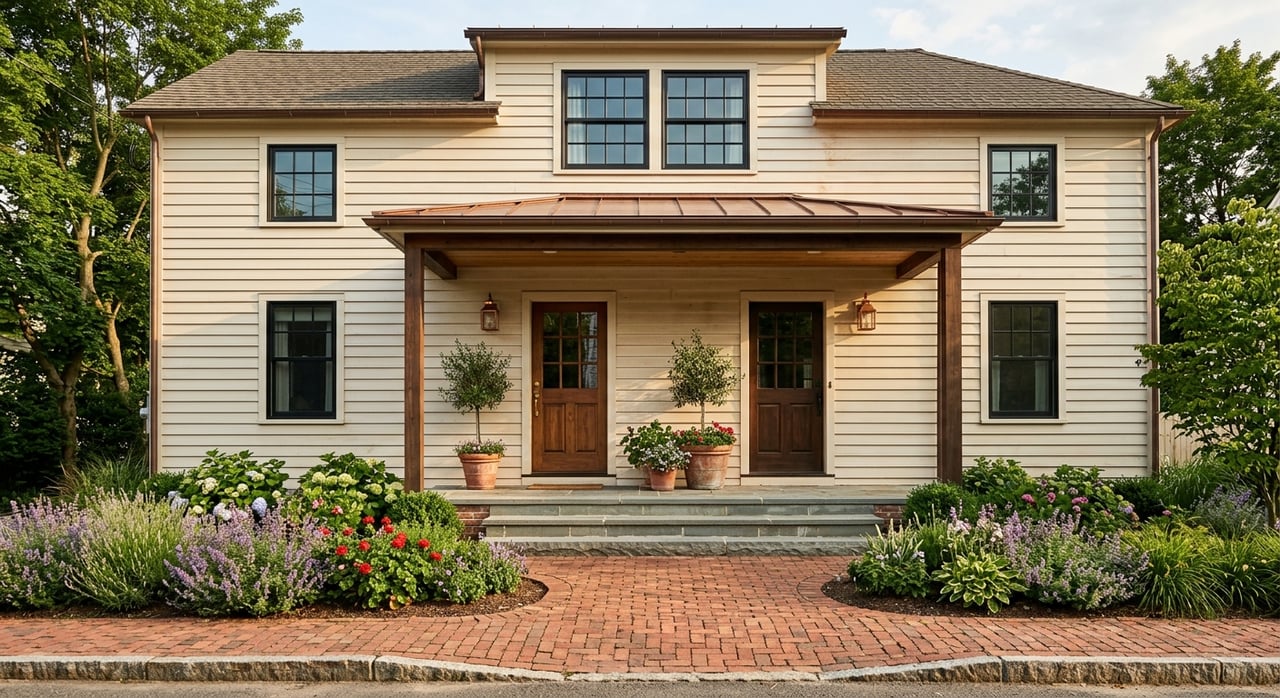
Thinking about buying a duplex, triplex, or mixed-use building in Catskill? You are not alone. For buyers who want rental income, flexible living options, or a foothold in a walkable Hudson Valley village, small multi-family properties can offer a practical path. The key is understanding what actually fits Catskill’s housing stock, zoning, and long-term appeal before you make a move. Let’s dive in.
Why Catskill Stands Out
Catskill is a compact village with an established housing base and a year-round role in Greene County. According to ACS data, the village has 3,779 residents, 1,943 housing units, and 1,708 households, with about 88% of units occupied. Single-unit homes still make up the largest share of the housing stock, but smaller multi-unit properties are also part of the local picture.
Catskill also serves as a local hub for county offices, schools, the public library, banks, houses of worship, and the Greene Medical Arts Center. That mix of civic, education, and health-related uses helps support everyday activity beyond tourism seasons. For an investor or owner-occupant, that matters because steady local use can support more consistent rental demand.
Small Multi-Family Options in Catskill
If you are exploring investment options here, it helps to think in terms of property types that already match the local pattern. Catskill is not a market where every parcel suits the same strategy. The best opportunities are often tied to older housing stock, village-style density, and service-rich locations.
Duplexes and Two-Family Homes
Duplexes are often the most approachable entry point for small investors and owner-occupants. If you want to live in one unit and rent the other, this format can offer a blend of income and flexibility.
In the Village of Catskill zoning code, two-family dwellings are permitted in R-2 and R-3 districts. That does not mean every existing property is automatically ready for your plans, but it does mean this type of housing is recognized within the village framework.
Three- and Four-Unit Buildings
Catskill’s housing trends suggest that smaller multi-unit buildings are part of the local evolution. The village comprehensive plan noted that detached single-family units declined from 750 to 652 between 2010 and 2017, while 3- to 4-unit apartment buildings rose from 197 to 344.
That shift points to a real local pattern of conversions and infill. For buyers, it suggests that triplexes and four-unit buildings are not out of place here, especially where the building form fits the surrounding neighborhood.
Mixed-Use Buildings
One of Catskill’s more interesting options is the mixed-use building with apartments above a storefront or commercial space. The village plan identifies above-the-store housing in the downtown core as part of the existing housing landscape.
The zoning code also allows residential use above the first floor in commercial districts, subject to site plan review. If you are drawn to a property with a storefront and upper-level apartments, this can be a realistic path in the right location.
Accessory Apartment Setups
If you are looking outside the village and into the Town of Catskill, accessory apartments may be another option. The town allows accessory apartments by site plan review as an affordable housing alternative, with one apartment per lot and a framework of 400 to 800 square feet and up to two bedrooms.
This is a different strategy than buying a traditional duplex, but it may appeal to buyers who want to create a smaller income-producing unit on a property they also occupy.
Where Opportunity Is Strongest
In Catskill, location matters just as much as property type. The village comprehensive plan emphasizes the historic downtown core, walkable streets, mixed residential and commercial uses, and infill that complements the existing settlement pattern.
That makes the village center and other service-rich areas especially relevant for small multi-family buyers. A property near daily services, public institutions, and established neighborhoods may offer a more durable fit for year-round renters than an isolated parcel with fewer nearby amenities.
This does not mean rural properties have no appeal. It simply means your investment thesis should match the setting. A village duplex and a more remote property can perform very differently, even within the same broader market.
What Demand May Look Like
No one can promise future rental demand, but the available local data does offer helpful context. Catskill’s median household income is $79,423, the mean commute time is 25.8 minutes, and the median age is 47.2, which is older than New York State overall.
That household profile may support interest in lower-maintenance housing formats for some residents. This is not a guarantee, but it is consistent with a market where smaller units, walkable locations, and practical layouts can make sense.
It is also important to separate year-round demand from seasonal patterns. Greene County’s 2025 Housing Action Plan notes that a large share of vacant units countywide are seasonal. In Catskill, that means you should look carefully at whether a property is positioned for stable local occupancy or more seasonal use.
Key Due Diligence Steps
A charming older building can be exciting, but small multi-family buying in Catskill requires careful review. The right property is about more than purchase price and projected rent.
Before you move forward, focus on these basics:
- Confirm the zoning district and whether the current or planned use is permitted
- Verify whether the property is in the Village of Catskill or the Town of Catskill, since rules differ
- Review utility service, especially water and sewer access
- Check flood exposure and site conditions
- Evaluate parking, layout, and access
- Estimate the cost of bringing an older building up to current standards
These steps matter because Catskill includes older homes, established neighborhoods, mixed-use areas, and varying infrastructure conditions. A property that looks like a simple opportunity on paper may need more review once you get into permits, systems, and building condition.
Why Infrastructure Matters
In the village, public water and sewer systems are a meaningful advantage for many small multi-family properties. At the same time, the comprehensive plan notes that some water mains need replacement, some sewer mains are aged, and some pump stations and waterfront facilities are vulnerable to flooding and sea-level rise.
For you as a buyer, this means infrastructure should be part of the conversation early. You will want clarity on service connections, maintenance issues, and whether the site’s location creates extra risk or added costs over time.
Older Buildings Can Be an Asset
Catskill’s long-term appeal is closely tied to its historic core and older housing stock. Many homes date to the mid-19th and early 20th century, which gives the village much of its character.
For small investors, that older stock can create opportunity because it may already include layouts or building forms that support smaller units. At the same time, older properties often require a more careful eye on systems, repairs, code compliance, and renovation scope.
The county housing plan also notes that in some cases multi-unit homes have been converted back to single-family use, which has further constrained affordable housing choices in Catskill and nearby communities. That tension between preservation, conversion, and housing need is part of what makes small multi-family inventory here worth a closer look.
Is Owner-Occupying a Smart Strategy?
For many buyers, owner-occupying a small multi-family property can be one of the most grounded ways to enter this market. Living on-site may help you manage expenses, stay close to the property, and learn the rhythms of the area before expanding your investment goals.
This approach can also be a good fit if you value a home that supports both lifestyle and long-term planning. In a place like Catskill, where walkability, local services, and historic character all shape the experience, an owner-occupied duplex or mixed-use property can offer more than one kind of return.
Final Thoughts on Catskill Multi-Family Buying
Catskill is a small market, but it is not a one-note market. Between duplexes, three- and four-unit properties, mixed-use buildings, and accessory apartment possibilities, there are several ways to explore small multi-family ownership here.
The strongest opportunities often sit where walkability, existing housing patterns, and the right zoning overlap. If you want to buy with confidence, the goal is to look beyond surface charm and understand how the parcel, the building, and the location work together.
If you are considering a small multi-family property in Catskill and want a calm, informed sounding board, Melissa Dubin can help you think through the options with care and local perspective.
FAQs
What small multi-family property types are common in Catskill?
- Common options include duplexes, 3- to 4-unit buildings, above-the-store apartments in the village core, garden apartments, row houses, and some townhouse-style development along Catskill Creek.
Can you buy a duplex and live in one unit in Catskill?
- It depends on the parcel and whether it is in the village or town, but in the Village of Catskill, two-family dwellings are permitted in R-2 and R-3 districts.
Are apartments above storefronts allowed in Catskill?
- Yes, in the Village of Catskill, residential use above the first floor is allowed in commercial districts subject to site plan review.
What should you verify before buying a multi-family property in Catskill?
- Start by checking zoning, utility service, flood exposure, parking, and the likely cost of updating an older building to current standards.
Does Catskill have year-round rental demand?
- Catskill has local services, public institutions, and walkable areas that can support year-round demand, but Greene County also has a notable seasonal housing pattern, so each property should be evaluated carefully.
Why does location matter so much for small multi-family investing in Catskill?
- The village plan points to walkable, service-rich areas and mixed-use parts of the village as stronger fits for small rental buildings than isolated rural parcels.